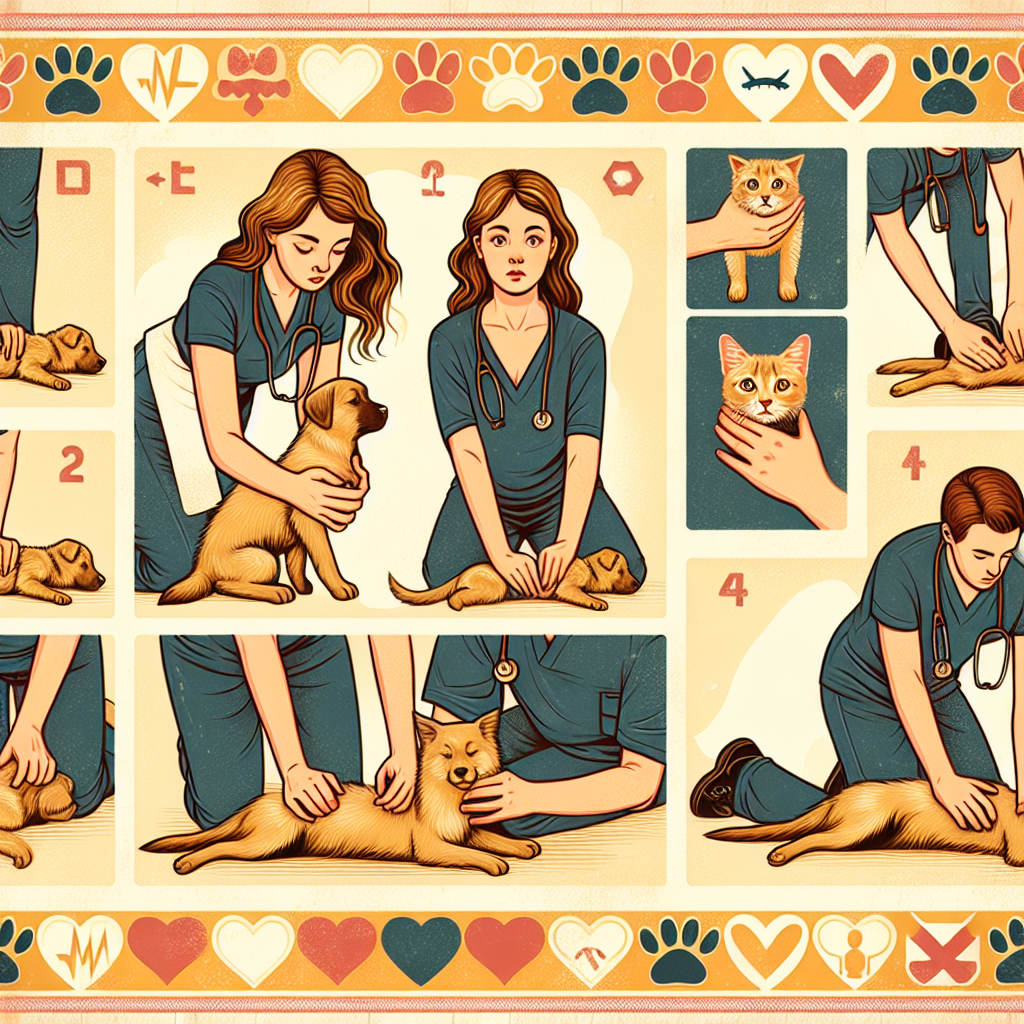
As loving pet owners, we want the best for our furry friends. Knowing how to perform CPR (cardiopulmonary resuscitation) on our pets can make a crucial difference in emergency situations. This comprehensive guide will equip you with the essential techniques to help your animal companion, should the need arise.
Understanding When CPR Is Necessary
Performing CPR on animals is critical in life-threatening situations such as:
-
- Cardiac Arrest: When a pet’s heart stops beating.
-
- Drowning: If your pet has inhaled water and is unresponsive.
-
- Choking: When an object obstructs the airway, preventing normal breathing.
Recognizing these emergencies quickly can save valuable time and potentially save your pet’s life.
Signs Your Pet Needs CPR
Being able to identify distress signals is vital. Signs that your pet may require CPR include:
-
- Unconsciousness: Your pet does not respond to stimuli.
-
- No Breathing: Absence of breath for more than a few seconds.
-
- Weak Pulse: A faint or nonexistent heartbeat when checking for their pulse.
If you observe these symptoms, it’s time to act quickly.
Performing CPR on Dogs
Step 1: Assess the Situation
Before proceeding with CPR, ensure that the environment is safe for both you and your pet. Check for dangers like traffic or other pets.
Step 2: Determine Responsiveness
Gently shake your pet and call their name. If there’s no response, check for breathing and heart rate.
Step 3: Open the Airway
If your dog is unconscious and not breathing:
-
- Positioning: Lay your pet on their side.
-
- Open the Mouth: Gently open your pet’s mouth and pull out any visible obstruction.
Step 4: Rescue Breaths
-
- Seal the Mouth: Cup your hands around the pet’s snout.
-
- Give Breaths: Give two breaths into your dog’s mouth, watching for the chest to rise.
Step 5: Chest Compressions
-
- Body Positioning: Place your hands on the widest part of your dog’s ribcage.
-
- Technique: For dogs under 30 pounds, use one hand; for larger dogs, use both. Press down firmly and quickly at a ratio of 30 compressions to 2 breaths.
Continue until your pet breathes on its own or qualified help arrives.
Performing CPR on Cats
Step 1: Assess the Situation
Just like with dogs, ensure your surroundings are safe before you proceed.
Step 2: Check Responsiveness
Call your cat’s name and lightly shake them to see if they respond.
Step 3: Clear the Airway
-
- Positioning: Lay your cat on its side.
-
- Check for Obstruction: Open the mouth to check for blockages.
Step 4: Administer Rescue Breaths
-
- Seal the Mouth: Gently close the mouth and place your lips around the nose.
-
- Give Breaths: Administer two quick breaths, being careful not to overinflate.
Step 5: Chest Compressions
For cats:
-
- Technique: For small cats, use one hand; for larger breeds, both hands. Compress the chest about one-third of the way down and aim for a rate of 100-120 compressions per minute.
Continue this cycle until help arrives or your pet shows signs of recovery.
Recovery Position
After performing CPR, if your pet begins to breathe again, turn them onto their side and monitor them closely. Keep them warm and quiet while preparing for veterinary assistance.
Prevention and Preparedness
Regular Vet Check-ups
Routine veterinary visits can help identify potential health problems before they escalate.
First Aid Kit for Pets
Keep a pet first-aid kit in your home that includes:
-
- Gauze
-
- Bandages
-
- Hydrogen peroxide for cleaning wounds
-
- A muzzle (for safety during emergencies)
-
- Emergency contact numbers, including your vet and the nearest animal hospital
Training Classes
Consider enrolling in a pet CPR and first aid class. Many local humane societies and veterinary clinics offer training sessions to help pet owners. Having this knowledge can make a significant difference in an emergency.
Conclusion: Be Prepared to Act
While it can be daunting to think about emergencies involving your pets, being equipped with knowledge and skills in CPR can save lives. Regularly refreshing your skills and keeping emergency contacts handy will prepare you better for unexpected situations. Your furry companion counts on you—be ready to act when they need you most.