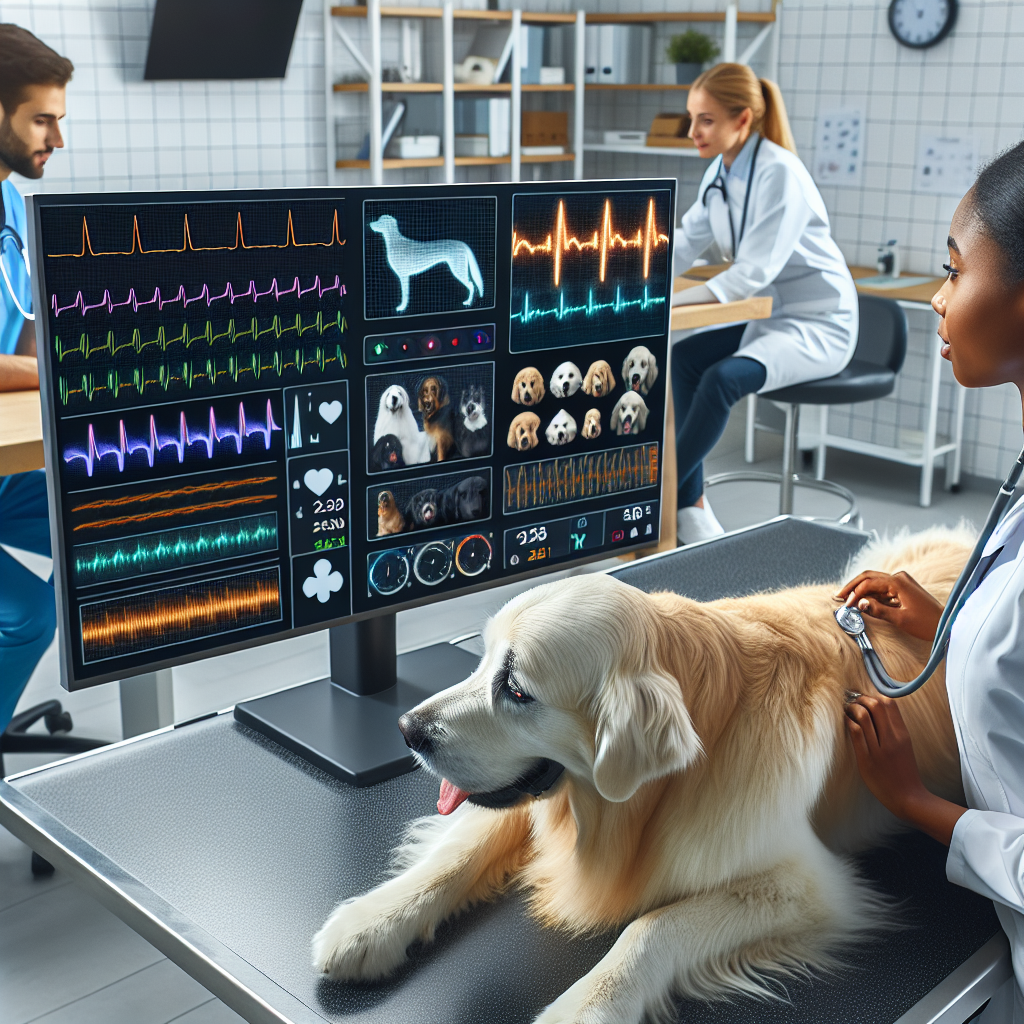
In today’s digital world, cybersecurity is more important than ever, especially for vet clinics that handle sensitive information about your beloved pets. From medical histories to payment information, ensuring the security of this data is critical. Here’s a comprehensive guide to help pet owners understand what’s at stake and how veterinary practices can step up their cybersecurity game.
Why Cybersecurity Matters for Vet Clinics
Protecting Sensitive Information
Vet clinics store a wealth of personal data, including pet health records, contact details, and payment information. This information, if compromised, can lead to identity theft and financial fraud.
Building Trust with Clients
Clients want to know that their pets’ information is safe. A breach could damage the reputation of a veterinary practice, leading to a loss of trust and, ultimately, clients.
Recognizing Potential Threats
Common Cyber Threats
-
- Phishing Attacks: Cybercriminals often use deceptive emails to trick staff into divulging sensitive information.
-
- Ransomware: This malware can lock clinics out of their data until a ransom is paid, causing significant disruption.
-
- Data Breaches: Unsecured systems can be vulnerable to hackers looking for sensitive data.
Signs of a Cybersecurity Breach
-
- Unusual account activities, like unauthorized logins
-
- Slower system performance
-
- Frequent system crashes or errors
-
- Unexpected requests for payment or personal information
Prevention Strategies for Vet Clinics
Implement Strong Password Policies
Encourage staff to use strong, unique passwords that are changed regularly. Implement multi-factor authentication (MFA) for added security, making it harder for unauthorized individuals to access accounts.
Regular Software Updates
Keep all systems and software up-to-date to protect against vulnerabilities. This includes operating systems, antivirus programs, and practice management software. Regular updates address security flaws that hackers might exploit.
Use Encrypted Communication
Ensure all sensitive communications—like emails regarding pet health information—are encrypted. This makes it much harder for cybercriminals to intercept data during transmission.
Staff Training and Awareness
Cybersecurity Training Programs
Regularly train staff on recognizing phishing scams and other cyber threats. Teach them how to handle suspicious emails and protect sensitive information.
Create a Cyber Policy Manual
Develop a clear policy manual that outlines how staff should manage and protect client data. This should include guidelines on data access, sharing, and incident reporting.
Data Backup and Recovery
Regular Backups
Implement routine backups of all important data. Store backups in a secure location—ideally both on-site and in the cloud. This way, if data is lost due to a cyberattack, it can be quickly restored.
Disaster Recovery Plan
Create a disaster recovery plan detailing how the clinic will respond to a cybersecurity incident. This plan should outline steps to regain access to data and inform clients about potential impacts.
Engaging Clients in Cybersecurity
Secure Client Portals
Offer a secure online portal where clients can access their pets’ health records. Ensure this portal is protected with strong encryption and offers features like password recovery.
Educate Clients
Encourage pet owners to be aware of online scams that may affect their information. Provide resources or workshops on how to keep personal and pet information secure.
Utilizing Advanced Technology
Security Software Solutions
Invest in comprehensive cybersecurity software that includes firewall protection, antivirus options, and intrusion detection systems. This software can actively monitor for suspicious activities.
Smart Devices and IoT Security
If using smart devices, ensure they are secure. Change default passwords, keep firmware updated, and regularly assess the security of connected devices.
Partnering with Cybersecurity Experts
Consult with Professionals
Consider consulting with cybersecurity experts to audit your clinic’s security measures. They can assess vulnerabilities and recommend specific improvements tailored to your clinic’s size and operations.
Continuous Improvement
Cybersecurity isn’t a one-time effort. Regularly revisiting and enhancing your security measures is essential as threats evolve. Stay updated on the latest cybersecurity trends and tools.
By implementing these essential cybersecurity measures, vet clinics can protect both their practice and their clients from potential threats. With collaboration and a proactive approach, the safety of your pet’s data can be assured.