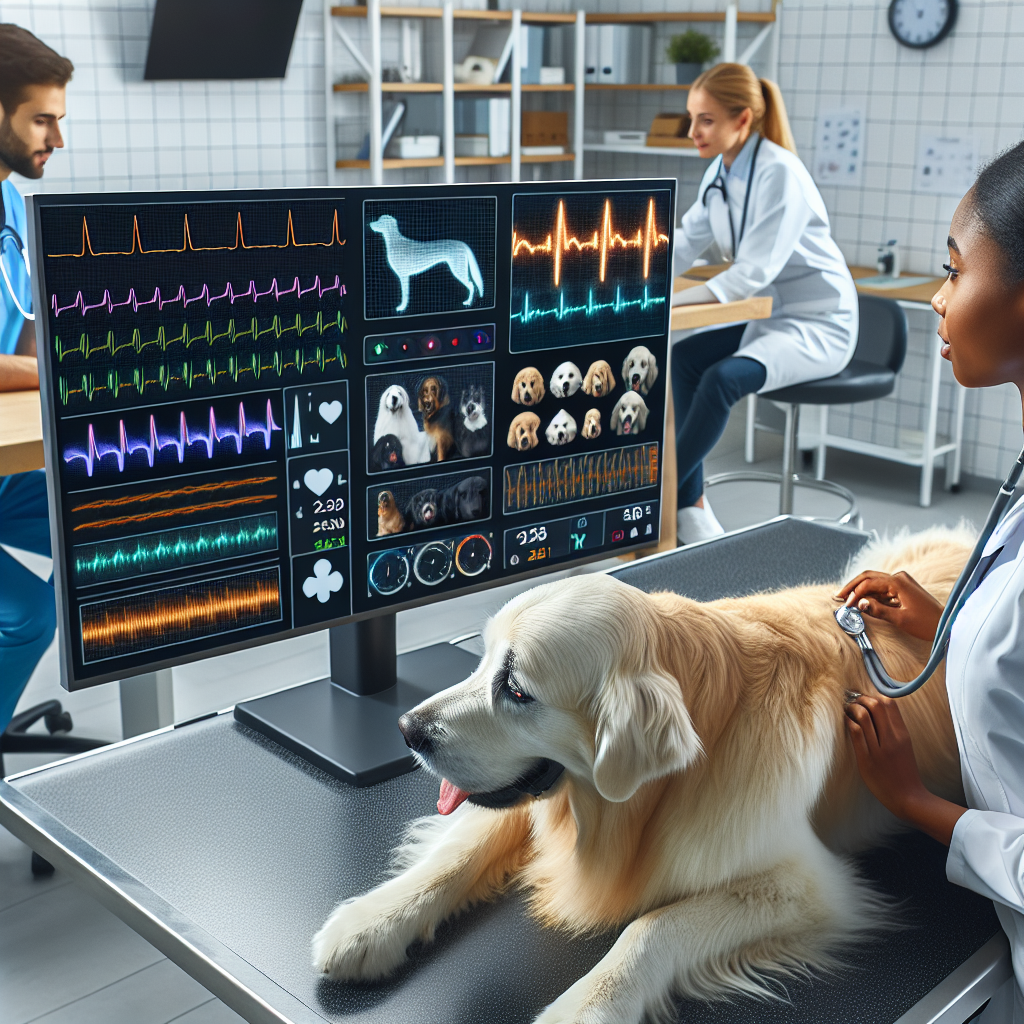
As pet owners, ensuring the safety and comfort of our furry companions during medical procedures is paramount. One crucial aspect of veterinary care is anesthesia, and recent strides in anesthesia monitoring technologies have significantly enhanced pet health care. This article explores the latest advances in anesthesia monitoring, providing pet owners with valuable insights into how these innovations enhance the well-being of their beloved pets.
Understanding Anesthesia in Pets
Anesthesia is a medical procedure that induces a temporary loss of sensation or consciousness, allowing veterinarians to perform surgeries and other invasive procedures. While anesthesia is commonly used in humans, advances in veterinary medicine have led to improved methods and technologies tailored specifically for pets.
Why Monitoring is Essential
Monitoring is essential to ensure that pets remain safe and stable during anesthesia. Various factors can influence a pet’s response to anesthesia, including their age, breed, weight, and overall health. By utilizing advanced monitoring techniques, veterinarians can detect potential issues in real-time and promptly address them.
Advances in Anesthesia Monitoring Technologies
Multi-parameter Monitoring Systems
Modern veterinary practices increasingly adopt multi-parameter monitoring systems that track a range of vital signs simultaneously. These systems often include:
-
- Heart Rate: Monitoring the heart rate provides insight into the pet’s cardiovascular status.
-
- Respiration Rate: Observing breathing patterns helps identify potential respiratory complications.
-
- Blood Pressure: Keeping track of blood pressure ensures that the pet is adequately perfused.
-
- Oxygen Saturation: Measuring blood oxygen levels can alert veterinarians to hypoxia, or insufficient oxygenation.
Equipped with this comprehensive data, veterinarians can make informed decisions during procedures.
Non-invasive Monitoring Techniques
Recent innovations have brought about non-invasive monitoring techniques that enhance safety and comfort. For example, pulse oximetry utilizes a small clip placed on the pet’s paw or ear to monitor oxygen saturation levels without the need for invasive procedures. This technology is invaluable, especially for pets that may be anxious or sensitive to discomfort.
Capnography
Capnography measures the concentration of carbon dioxide in the exhaled breath, offering real-time insights into ventilation and metabolism. This can help veterinarians quickly identify issues like hypoventilation (insufficient breathing) or hyperventilation (excessive breathing). Understanding a pet’s respiratory status is critical for maintaining their safety during anesthesia.
Enhanced Monitoring Software
Intuitive software programs designed specifically for veterinary anesthesia monitoring can display data trends and alert veterinarians about potentially dangerous parameters. These systems can include user-friendly interfaces that allow quick assessments, enhancing decision-making during critical moments.
Benefits of Advanced Anesthesia Monitoring
Improved Safety
The primary advantage of advanced anesthesia monitoring is the improvement in a pet’s safety during surgical procedures. With real-time data, veterinarians can quickly adapt to changing conditions, ensuring that any distress is addressed immediately.
Better Recovery Outcomes
Thorough monitoring not only contributes to safety but also aids in smoother recovery. By identifying complications early, veterinarians can implement timely interventions, resulting in shorter hospital stays and a faster return to normal activities for pets.
Enhanced Owner Peace of Mind
Pet owners often feel anxious about their pet undergoing anesthesia. Knowing that advanced monitoring technologies are in place can provide reassurance. Many veterinary clinics now share real-time updates with pet owners, allowing them to stay informed about their pet’s condition.
Practical Tips for Pet Owners
thesia Options with Your Veterinarian
Before any procedure requiring anesthesia, have an open conversation with your veterinarian about the monitoring methods they employ. Ask about the technology used and how it ensures your pet’s safety.
Pre-anesthetic Evaluation
Ensure your veterinarian conducts a thorough pre-anesthetic evaluation, including blood tests and a physical examination. This helps assess your pet’s overall health and understand any specific risks associated with anesthesia.
Aftercare is Key
After your pet undergoes a procedure involving anesthesia, close monitoring at home is critical. Watch for signs such as lethargy, confusion, or difficulty breathing. Contact your veterinarian immediately if you have concerns.
Stay Informed About New Technologies
Stay updated with advancements in veterinary care, including anesthesia monitoring techniques. This knowledge can help you make informed decisions about your pet’s healthcare.
Conclusion
The advancements in anesthesia monitoring are truly impressive and significantly enhance the safety and well-being of pets during medical procedures. As a pet owner, understanding these technologies helps you advocate for your furry friend’s health, ensuring they receive the best possible care. Engaging in open discussions with your veterinarian and staying informed about new developments ensures you are equipped to make the best choices for your beloved companions.