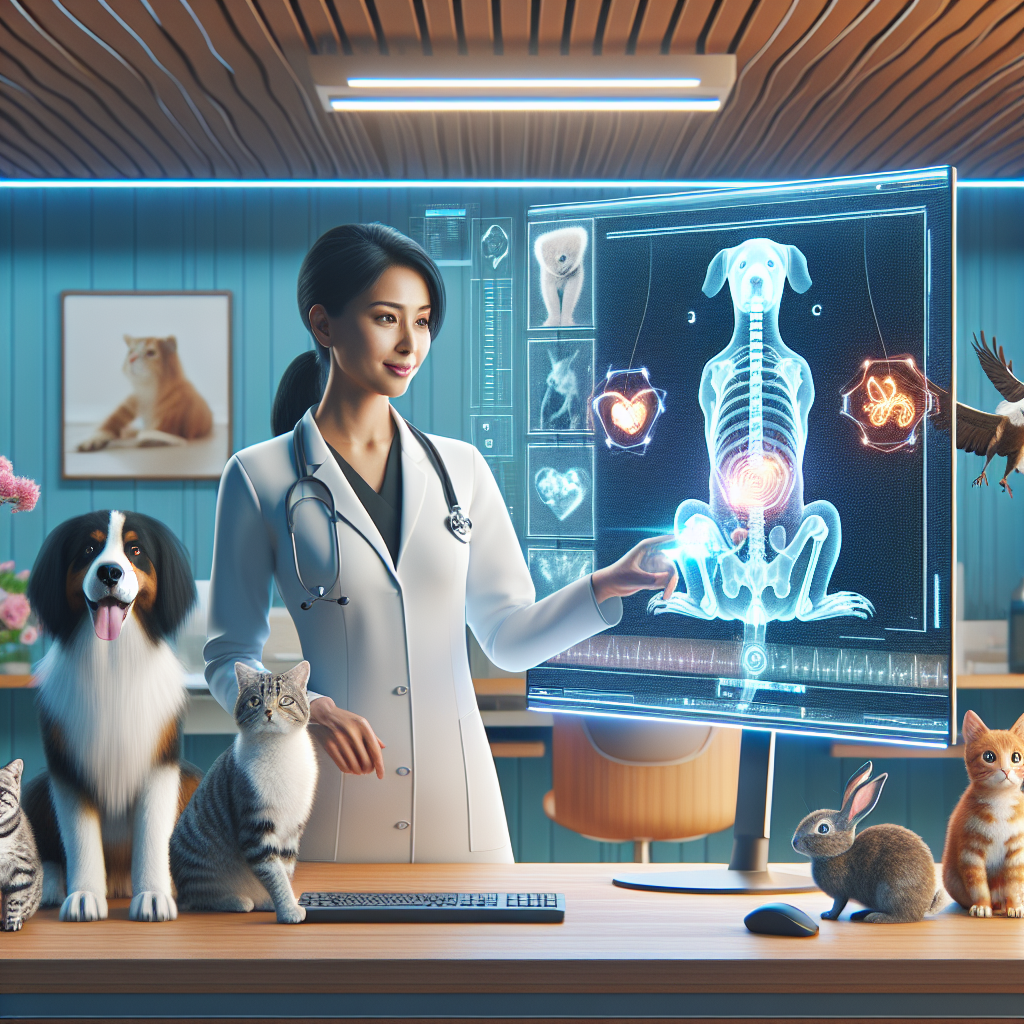
In the ever-evolving world of pet health care, technology is paving the way for better diagnosis and treatment options. One of the most exciting advancements in recent years is the use of artificial intelligence (AI) in radiograph (X-ray) analysis. This article explores how AI is revolutionizing pet care, ensuring that our furry companions receive the best possible medical attention.
What is Radiograph Analysis?
Radiograph analysis involves examining X-ray images to diagnose medical conditions in pets. This technology has been foundational in veterinary medicine, allowing veterinarians to view the internal structures of animals without invasive procedures. However, interpreting these images can be complex and requires years of training and experience.
The Role of AI in Radiograph Analysis
AI-assisted radiograph analysis utilizes sophisticated algorithms and machine learning techniques to enhance the interpretation of X-ray images. By training on thousands of annotated images, AI models can identify abnormalities more quickly and accurately than the average human eye. Here’s how AI is impacting this critical area of pet health care:
1. Improved Accuracy
One of the significant benefits of AI in radiograph analysis is its ability to improve diagnostic accuracy. AI systems can identify subtle changes that might be overlooked by even the most seasoned veterinarians. For instance, an AI tool can detect early signs of tumors or fractures that might only show up as faint shadows in X-rays.
2. Faster Diagnosis
With AI, the time it takes to analyze radiographs is drastically reduced. Traditional methods could take hours or even days, especially if a veterinarian needs to consult with specialists. AI algorithms can process X-ray images in mere minutes, leading to quicker diagnoses and faster treatment plans.
Common Conditions Diagnosed with Radiographs
1. Fractures
Fractures are one of the most common reasons pets need radiographs. AI algorithms can quickly highlight fractures, whether they are simple breaks or complex injuries involving multiple bones. Recognizing these issues early can make a huge difference in a pet’s recovery.
2. Tumors
Radiographs play a crucial role in identifying tumors in pets. AI can enhance the detection of abnormal growths in the lungs, abdomen, and even the bones. Early detection through AI can lead to more effective treatment options, improving the prognosis for affected pets.
3. Arthritis
For older pets, arthritis is a significant concern. AI can analyze radiographs for signs of joint degeneration, allowing veterinarians to recommend suitable treatments or lifestyle adjustments to alleviate discomfort.
The Benefits of AI for Veterinarians and Pet Owners
1. Enhanced Collaboration
AI tools often enable better collaboration between veterinarians and pet owners. When an AI-assisted analysis is complete, veterinarians can share the findings with pet owners in a more understandable way, using visuals and explanations backed by AI insights.
2. Cost-Effectiveness
While AI technology does come with an initial investment, it can reduce overall veterinary costs in the long run. Faster diagnoses mean less time spent on repeat visits and unnecessary tests, making pet care more affordable for owners.
Practical Tips for Pet Owners
1. Stay Informed
Understanding the role of AI in pet diagnostics can help you make informed decisions about your pet’s health. Ask your veterinarian about the technology they use and how AI might play a part in your pet’s care.
2. Regular Check-Ups
Routine veterinary visits are crucial. Early detection through regular check-ups can lead to better outcomes for conditions like arthritis or tumors. AI can enhance these visits, ensuring any underlying issues are addressed promptly.
3. Monitor Your Pet’s Behavior
Keep a close eye on your pet’s behavior and appearance. Sudden changes, such as limping or changes in appetite, should prompt you to seek veterinary advice. Inform your vet of these observations, as AI can then target specific areas during radiograph analysis.
The Future of AI in Pet Care
As AI technology continues to advance, we can expect further developments in how we diagnose and treat pets. New algorithms will likely expand their capabilities, providing even more comprehensive insights into pet health.
Innovation in pet healthcare is transforming the way veterinarians diagnose and treat conditions. With AI-assisted radiograph analysis, you’re ensuring your pet receives cutting-edge medical attention that could vastly improve their quality of life. By staying informed and engaged with your vet’s diagnostic practices, you can be a proactive advocate for your pet’s health.